
What is Visual Analog Scale (VAS)?
Pain is a subjective experience. It can’t be seen externally and is challenging to measure objectively.
To help assess one’s experience of pain, patients and healthcare professionals use a tool named VAS (visual analog scale).
A VAS is a testing tool that uses a sliding scale from 0-10 to measure the intensity of someone’s physical sensations, such as
pain or fatigue. It is generally used in medical contexts and can help track symptom changes over time.
When can you use
Visual Analog Scale?
- Where to buy Leaflet
- The VAS may be used to quickly assess symptom severity.
- It can also be used to track the course of sickness and suffering.
- The VAS correctly tracks symptom intensity and therapy efficacy.
- It is easy to use, saves time and is pretty accurate.
- The VAS is used to help people who aren’t used to assessing their pain on other scales, such as a numeric rating scale.
How does the Visual Analog
Scale look like?
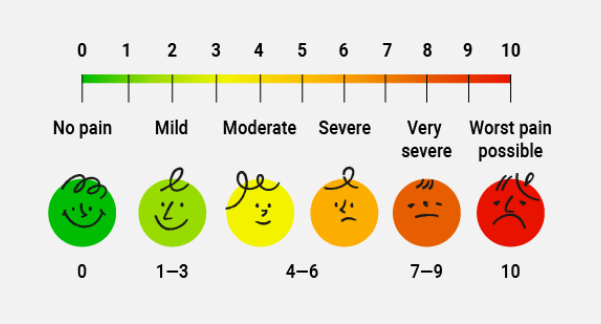
It consists of a 10 cm line with anchors at the two extremes, where 0 means “no pain” and 10 means “pain as bad as it could
possibly be”.
How intense is your pain?
Find out by choosing an option that describes your current pain.
0 No Pain
Your treatment is working! Keep up the good work! Activity and stretching need to become part of your lifestyle and so does exercising a little and often!
1-3 Mild Pain
Get some gentle exercise! Simple, everyday activities like walking, swimming, gardening, and dancing can ease some of the pain directly by blocking pain signals to the brain.
Activity also helps lessen pain by stretching stiff and tense muscles, ligaments, and joints.
4-6 Moderate pain
Don’t increase your pain medications without talking to your doctor first.
Increasing your dose may not alleviate your pain and might cause you harm.
Focus on improving your day-to-day functionality, rather than completely stopping the pain.
7-9 Severe pain
Try not to allow the pain to stop you from living your life the way you want to. Try gently reintroducing activities that you used to enjoy into your schedule. You may need to cut back on some activities if pain flare-ups occur but increase slowly again as you did before. Concentrate on finding fun and rewarding activities that don’t make your pain worse.
Seek advice on new coping strategies and skills from your doctor.
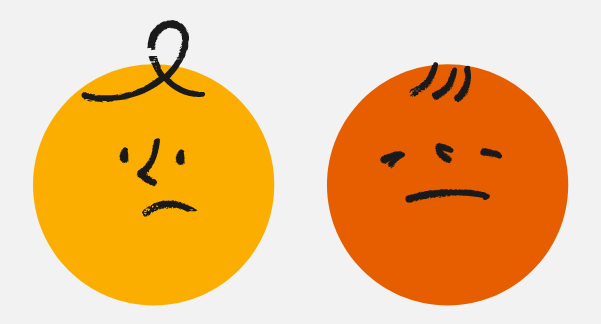
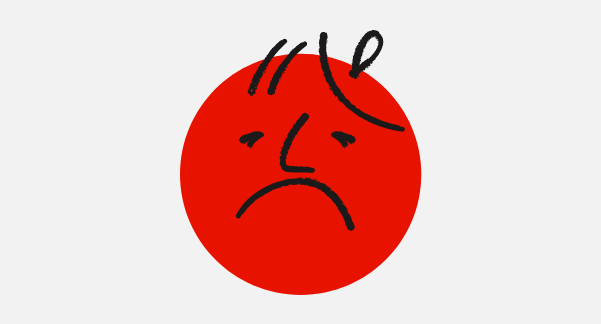
10 Worst pain possible
Seek professional help as soon as possible!