
Home remedies to get rid
of a headache
Headaches happen. The good news is there are several simple things you can do to ease the pain without a trip to the doctor.
Try these tips and start feeling better fast.
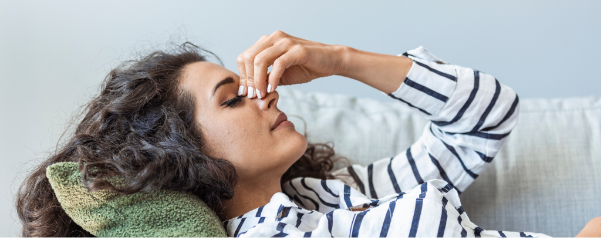
Try a Cold Pack
If you have a headache, place a cold pack on your forehead. Ice cubes wrapped in a towel, a bag of frozen vegetables, or even a cold shower may ease the pain. Keep the compress on your head for 15 minutes, and then take a break for 15 minutes.
Use a Heating Pad or Hot Compress
If you have a tension headache, place a heating pad on your neck or the back of your head. If you have a sinus headache, hold a warm cloth to the area that hurts. A warm shower might also do the trick.
Ease Pressure on Your Scalp or Head
If your ponytail is too tight, it could cause a headache. These “external compression headaches” can also be brought on by wearing a hat, headband, or even swimming goggles that are too tight.
Dim the Lights
Bright or flickering light, even from your computer screen, can cause migraine headaches. If you’re prone to them, cover your windows with blackout curtains during the day. Wear sunglasses outdoors. You can also add anti-glare screens to your computer and use daylight-spectrum fluorescent bulbs in your light fixtures.
Try Not to Chew
Chewing gum can hurt not just your jaw but your head. The same is true for chewing your fingernails, lips, the inside of your cheeks, or handy objects like pens. Avoid crunchy and sticky foods, and make sure you take small bites. If you grind your teeth at night, ask your dentist about a mouth guard. This may curb your early-morning headaches.
Hydrate
Drink plenty of liquids. Dehydration can cause a headache or make an existing one worse.
Get Some Caffeine
Have some tea, coffee, or something with a little caffeine in it. If you get it quickly enough after the pain starts, it could ease your headache. It can also help over-the-counter pain relievers like acetaminophen work better. But don’t drink too much because caffeine withdrawal can cause its own type of headache.
Try Massage
You can do it yourself. A few minutes massaging your forehead, neck, and temples can help ease a tension headache, which may result from stress. Or apply gentle, rotating pressure to the painful area.
Sleep
Commit to a sleep schedule. Go to bed and wake up at regular times. Even if you just go to bed 15 minutes earlier or sleep 15 minutes later, this can be a step in the right direction.
Avoid stimulants in the hours before bed. Stimulants like alcohol, sugar, nicotine, and caffeine can hold you back from falling asleep and keep you up at night with trips to the bathroom. Give your body time to wind down before your head hits the pillow.
Choose a relaxing activity before bed. Turn off the television or computer and treat yourself to a good book or a hot bath. It may sound old fashioned, but a little relaxation goes a long way!
Home remedies to manage
menstrual pain
Menstrual pain, known under the medical term of dysmenorrhea, is a problem faced by most women.
In general, dysmenorrhea begins several years after the first period and is mostly found among people between the ages of 15 and 25.
The intensity of menstrual pain can vary from one body to another and from one day of menstruation to another. In general, dysmenorrhea is more intense in the first days of menstruation, but there are also situations in which dysmenorrhea manifests even a few days before menstruation. Some women experience menstrual pain so severe that it is very difficult for them to carry out their daily tasks.
Try these tips and start feeling better fast.
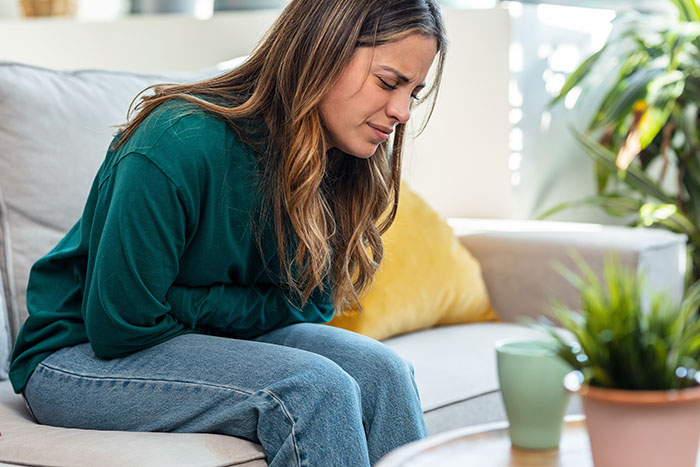
Applying heat
Applying heat to your abdomen and lower back may relieve pain.
If you don’t have a hot-water bottle or heating pad, take a warm bath, or use a hot towel.
Avoiding certain foods
During menstruation, it’s a good idea to avoid foods that cause bloating and water retention.
Some of the biggest culprits include:
fatty foods, alcohol, carbonated beverages, caffeine, salty foods.
Reducing or cutting out these foods can help alleviate cramps and decrease tension.
A more appropriate diet
Generally, a diet aimed at decreasing menstrual pain should be high in minimally processed foods, fiber, and plants.
Give these foods a try:
- Papaya is rich in vitamins.
- Brown rice contains vitamin B6, which may reduce bloating.
- Walnuts, almonds, and pumpkin seeds are rich in manganese, which eases cramps.
- Olive oil and broccoli contain vitamin E.
- Chicken, fish, and leafy green vegetables contain iron, which is lost during menstruation.
- Flaxseed contains omega-3s with antioxidant properties, which reduce swelling and inflammation.
Better hydration
It sounds odd, but drinking water keeps your body from retaining water and helps to avoid painful bloating during menstruation. Warm or hot water is usually better for cramps, as hot liquids increase blood flow to your skin and may relax cramped muscles.
You can also improve your level of hydration by eating water-based foods, including: lettuce, celery, cucumbers, watermelon, strawberries, blueberries, and raspberries.
Exercising
The idea of exercising immediately before or during your period may not appeal to you, but exercise releases endorphins. Research suggests exercise is effective at reducing menstrual pain to the extent it may also eliminate or reduce the need for pain-relief medication.
Moderate activity such as walking can be beneficial during your period instead of more strenuous activity.
Home and natural
remedies for toothaches
Some natural remedies*, such as rinsing with salt water or using a cold compress may help relieve tooth pain. However, a dentist may need to treat the underlying cause if the pain persists.
* SELF-MEDICATION CAN BE DANGEROUS AND
IT IS ALWAYS BETTER TO CONSULT THE DOCTOR.

Saltwater rinse
For many people, a saltwater rinse is an effective first-line treatment. Salt water is a natural disinfectant, and it can help loosen food particles and debris that may be stuck in between your teeth.
To use this approach, mix 1/2 teaspoon (tsp) of salt into a glass of warm water and use it as a mouthwash.
Cold compress
You can use a cold compress to relieve any pain you’re experiencing, especially if any type of trauma has caused your toothache.
When you apply a cold compress, it causes the blood vessels in the area to constrict. This makes pain less severe. The cold can also reduce any swelling and inflammation.
To use this approach, hold a towel-wrapped bag of ice to the affected area for 20 minutes at a time. You can repeat this every few hours.
Home remedies to relieve
lower back pain fast
Back pain is one of the most common reasons people visit the doctor. The reasons vary, from acute sprains from sports injuries to longer- term diseases caused by a variety of factors.
Here are a few tips to ease some pain and keep your back healthy:
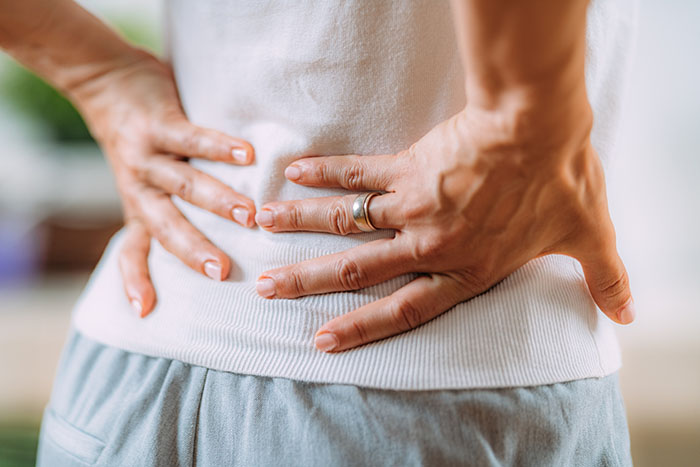
Strengthen your core muscles
Your lower back is under the stress of supporting your entire upper body. Surrounding muscles in your back need to be toned to support your spine and reduce pressure on your lower back. Our core muscles are rarely used during everyday activities, so they need to be toned through specific, targeted exercises.
Take a few minutes each day to do a couple of simple core exercises.
Headline Stretch daily
Many back problems are caused by tight muscles. If your back muscles are tight, they put added stress on your entire spine, including your joints.
Get into a habit of daily stretches to promote your spinal health.
Avoid sitting with poor posture
If your sitting posture is poor, the discs in your lower spine are loaded even more than when you’re standing. If you must sit for long periods of time, remember to get up and walk around every so often.
Take walks
Walking is a very safe and good exercise. Brisk walking at work or outside will help you maintain a healthy weight and keep pressure off your back.
Lift correctly
When you lift something heavy, it’s very easy to twist the wrong way. This can lead to muscle spasm and pain. Use proper body mechanics by engaging your leg muscles, not your back, when you pick up heavier items. Get help if the item is too much for you to lift alone.
Reduce pressure on your back when you sleep
Sleeping flat on your back puts pressure on your spine. Elevate your knees slightly by placing a pillow under them. If you’re a side sleeper, put a pillow between your knees to reduce pressure on your back.
Watch your weight
Extra weight puts a strain on your back. In order to deal with extra weight, your spine can become tilted and stressed unevenly. The back may lose its proper support and develop an unnatural curvature of the spine over time.
Quit smoking
Smoking restricts blood flow to the discs that cushion your vertebrae. This could lead to quicker disc degeneration. Smoking also reduces calcium absorption and new bone growth.
This increases the risk of a fracture due to osteoporosis, a condition in which bones become weak and brittle.