
What is pain?
“Sometimes I am facing acute pain and have a strong need for rapid and effective pain relief”.
Pain is an unpleasant personal experience associated with actual or potential tissue damage. Pain usually serves an adaptive role. It may have effects on function and social and psychological wellbeing.


Why is pain relief important?
- Undertreated pain poses and immediate burden to people. It has psychological consequences and physiological effects, which delay healing.
- Pain can hinder daily life and affect an individual’s relationships with others and sometimes their ability to maintain employment.
- Pain lowers the quality of life.
- Persistent pain can impact your hormones, metabolism, heart, digestion, and immune functions over time.
What are the key benefits of
rapid and effective relief?

Improved quality of life
Prompt relief from pain can improve quality of life.

Better satisfaction
Effective management of pain translates to the patient being satisfied with the care provided.

Reduced disease burden
Reduced psychological and financial burden for the patient and the caregivers.
Dexalgin®
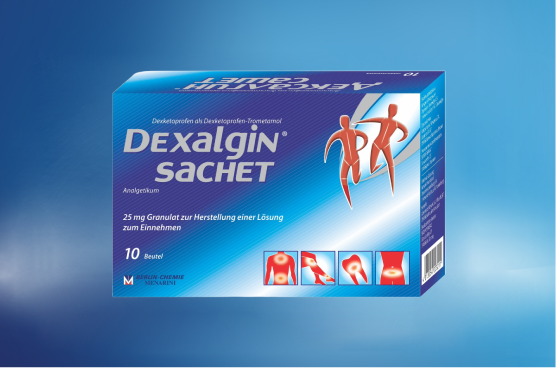
Dexalgin® provides fast relief against multiple types of pain: tension-type headaches (TTH), musculoskeletal pain, dysmenorrhea, dental pain.
Headaches
Understanding headaches can be your
first step toward easing your pain.

Important things to know:
- Most people experience headaches at some point in their life.
- The majority of headaches are not caused by a serious medical problem.
- There are various types of headaches.
What are headaches?
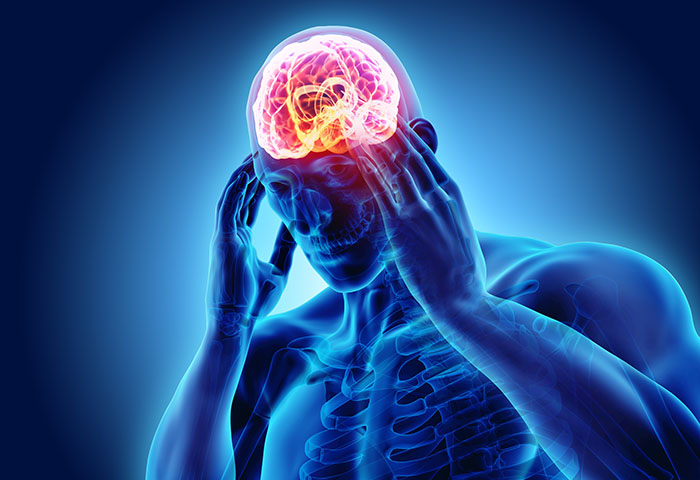
The brain itself doesn’t feel pain. Though the brain has billions of neurons (cells that transmit sensory and other information), it has no pain receptors. The ache from a headache comes from other nerves – inside blood vessels in your head, for example – telling your brain something is wrong.
Headache causes
Headaches can have many causes, including injury or an underlying illness. But the vast majority are primary headaches, meaning the headache is the only medical issue. For these, the most common causes include:
- Medication overuse (taking more than 10 doses of headache medication a month has been found to cause headaches)
- Drinking alcohol
- Skipping meals
- Dehydration
- Stress and anxiety
- Lack of sleep
Headache triggers: Some causes are referred to as triggers. Some patients track their triggers so they can avoid them and ward off headaches.

What medications are indicated for tension-type headaches?
Dexketoprofen provides fast relief against different types of pain.
The active ingredient Dexketoprofen targets the source of pain, thus not wasting any time and helping to alleviate your discomfort quickly.
Musculoskeletal pain
Understanding musculoskeletal pain can
be your first step toward easing it.

Important things to know
Many adults have experienced one or more episodes of musculoskeletal pain at one point in their life.
47% of the population are impacted by musculoskeletal pain.
39-45% may need medical help for long lasting issues.
If not managed well, it can harm quality of life and lead to socioeconomic challenges.
What is musculoskeletal pain?
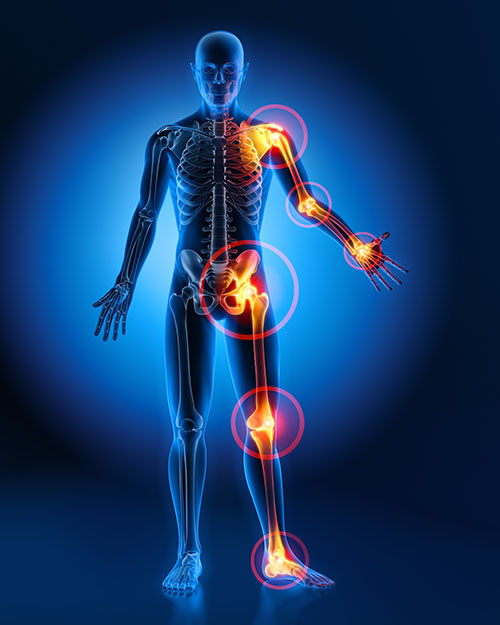
Musculoskeletal pain refers to both acute or chronic pain that affects bones, muscles, ligaments, tendons and even nerves.
What causes musculoskeletal pain?
Common causes of musculoskeletal pain:
- Bone fractures;
- Joint dislocation (when something forces a joint out of its proper position);
- Direct blows to muscles, bones, or joints;
- Sports microtraumas;
- Poor posture;
- Sprains;

What medications are indicated for musculoskeletal pain?
NSAIDs, such as Dexalgin®, provide rapid and effective pain relief from multiple types of musculoskeletal pain: acute back pain, injury-related in the limbs or acute associated with osteoarthritis.
Menstrual pain
Understanding menstrual pain can be your
first step towards easing it.
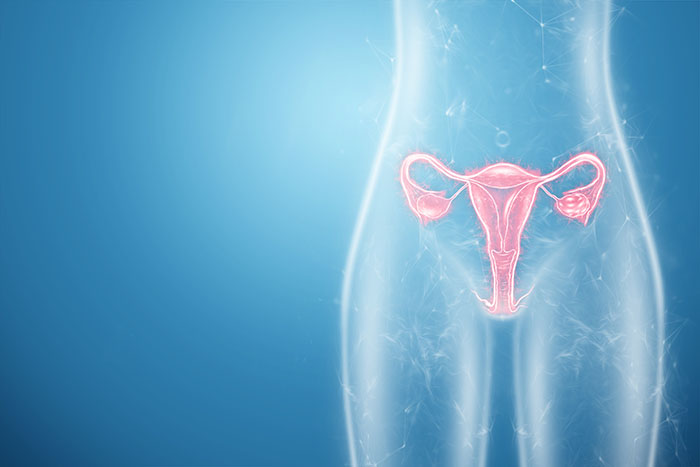
What is menstrual pain?
Menstrual pain can be literally translated as “difficult monthly flow”.
Menstrual pain occurs in lower abdomen during menstruation and may also be felt in hips, lower back, or thighs. Other symptoms may include nausea, vomiting, diarrhea, lightheadedness, headache, or fatigue.
What causes menstrual pain?
Menstrual pain is thought to be caused by excessive levels of prostaglandins, hormones that make your contract during menstruation and childbirth. The pain results from the release of these hormones when the lining (endometrium) is sloughing off during a menstrual period. This leads to uterus contraction and decreased blood flow to the uterus.
Factors that can make menstrual pain worse: lack of exercise, retroverted uterus (uterus that tilts backwards); longer, heavier, or irregular periods; psychological or social stress; smoking; drinking alcohol, being overweight; a family history of menstrual pain; starting menstruating before age 12.

What medications are indicated for menstrual pain?
NSAIDs, such as Dexalgin®, provide rapid and effective pain from menstrual pain.
Dental pain
Understanding toothaches can be your
first step toward easing it.
What is dental pain?
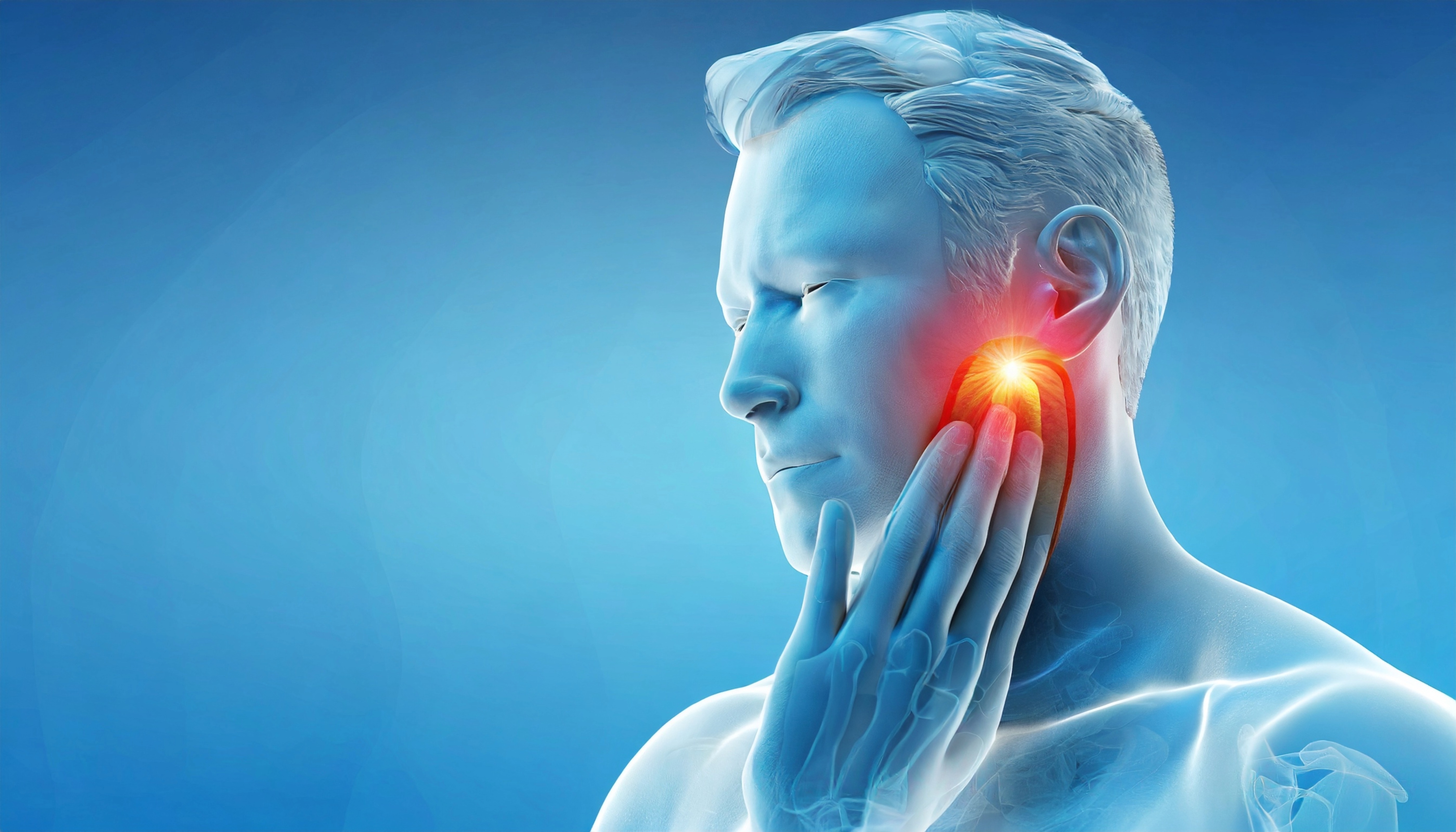
Toothaches, also called dental pain, are caused by dental issues or pain referred from non-dental sources. They may impact sleep, eating and other daily activities
What causes dental pain?
A toothache appears when the nerve in the root of a tooth or surrounding a tooth is irritated. Dental (tooth) infection, decay, injury, or loss of a tooth are the most common causes of dental pain.
What medications are indicated for dental pain?
NSAIDs, such as Dexalgin®, provide rapid and effective pain relief from dental pain associated with dental surgeries. Can be effective in reducing postoperative pain when administered preoperatively.